
- Publicité Post Template I -
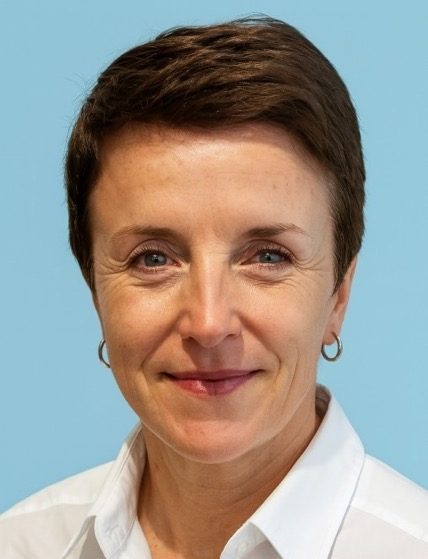
🇺🇸 In the hospitality sector, marketing is too often perceived as a matter of aesthetics and polished brand visuals. International expert Victoria Schooley Simon believes it’s time for a shift in perspective. In her thought-provoking article, "Marketing: More Than Just Pretty Pictures — A Strategic Engine for Hospitality", she challenges industry clichés and demonstrates how, when executed with true strategic intent, marketing can become a powerful driver of revenue, customer engagement, and organizational transformation. Now based in Paris, Schooley Simon recently sat down with us to share her insights and vision for a more impactful, results-driven approach to hospitality marketing.
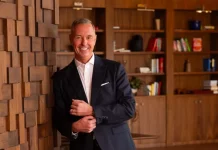
Now based in Paris after a decade in California, Victoria Schooley Simon (The George Washington University, Master of Arts – MA, International Affairs | Duke University, Bachelor of Arts – Comparative Area Studies) is an international expert in the fields of tourism, hospitality, and leisure. Bilingual (French/English) with a strong command of Italian, she combines a solid brand culture with deep expertise in digital transformation, strategic marketing, and the management of complex international projects. From Disneyland Paris to NBCUniversal, she has led major initiatives for over twenty years at the intersection of customer experience, digital innovation, and marketing strategy.
« Marketing is not just visual or decorative; it plays a key role in revenue generation, internal alignment, and shaping the guest experience. »
🇬🇧On the occasion of the release of her latest article (see bottom of page ⤵︎), « Marketing: More Than Just Pretty Pictures« (see bottom of page), Victoria Schooley Simon, international specialist in marketing strategy for upscale hospitality, shares her perspective with La Tribune de l’Hôtellerie on a profoundly transformed marketing discipline. Gone are the days of purely aesthetic marketing — it’s now an agile, customer-centric discipline with real transformative power.
La Tribune de l’Hôtellerie: Victoria, many people still associate hotel marketing with visual assets or well-curated Instagram accounts. Is that still the reality in your view?
Victoria Schooley Simon: That’s a persistent stereotype, but it’s increasingly outdated. Yes, creativity remains essential, but it’s only one facet of the work. Marketing is no longer just about creating images or photos — it’s now a strategic driver of revenue, internal alignment, and customer experience. Those who still reduce it to « pretty pictures » are missing its true impact.
La Tribune: So, what would you say is the real role of marketing in a modern hotel?
Victoria: Above all, it’s about transforming a simple consumer into a hotel guest. A mentor once told me: “Hundreds of people work every day to deliver an exceptional guest experience. But only a few work to transform those consumers into guests.” That’s exactly it — marketing is the bridge between purchase intent and the experience delivered. This requires a clear strategy, deep customer understanding, and most importantly, the ability to translate those insights into concrete actions.
La Tribune: This idea of the “voice of the customer” comes up often in your writing. Why is it so central today?
Victoria: Because it influences everything. A strong marketing team doesn’t just execute campaigns. It brings back valuable insights that impact pricing, the offer, the customer journey, and even internal organization. By clearly understanding and articulating what customers value, and how it interacts with the brand, the entire company can align around a shared vision.
La Tribune: What about technology? Has it really changed the game for marketing teams?
Victoria: Completely. Today, thanks to social media, paid search, CRM tools, and analytical dashboards, even a small marketing team can test, adjust, and measure its actions in real time. You no longer need millions to launch a campaign. The approach has become agile, responsive, and above all, focused on the consumer.
La Tribune: You advocate for a radical shift in how marketing is perceived. What does that actually look like?
Victoria: We need to stop viewing marketing as “the team that makes things look nice.” Today, it can be the department that makes everything work better. It connects customer understanding to business impact. The shift I advocate for is that marketing shouldn’t just be invited in to promote the story — it should be involved from the beginning to help write that story.
La Tribune: Any final words for hospitality professionals who are still hesitant to reposition marketing?
Victoria: Go for it ! Marketing isn’t a cost center. It’s a value accelerator — brand, human, financial, and operational. In a world where every interaction matters, it’s more crucial than ever to place marketing at the heart of your strategy.

For many in the hospitality industry, the word « marketing » still conjures up visuals of glossy flyers, curated yet sporadic Instagram feeds, or stylish promotional videos. While creative excellence is certainly part of the job, it’s far from the true superpower of a hotel marketing team. At its core, marketing in hospitality is no longer a support function—it is a strategic driver of revenue, guest experience, and organizational alignment.
Early in my career, a mentor offered me a deceptively simple but powerful perspective: “There are hundreds of people (and in our case thousands of people) working every day to deliver exceptional guest experiences. But there are only a handful focused on turning consumers into guests.” That, in essence, is marketing’s mission: to create the intent and desire to purchase, and to bridge the gap between interest and experience — guiding the right people to the right moment. Delivering on that mission requires more than creative flair — it demands strategic clarity, a deep understanding of the consumer and a clear translation of that understanding into actions that resonate.
In today’s fast-moving, experience-driven landscape, marketing’s role goes far beyond campaign execution. A strong marketing team brings the voice of the consumer to the table—shaping pricing, product, and operations by offering real insight into who the customer is, what they value, and how they engage. This clarity not only informs smarter decisions but also helps align teams across the business around shared goals.
In a world where travelers expect personalized journeys, seamless digital interactions, and meaningful brand stories, marketing is uniquely positioned to create demand, drive conversion, and build loyalty. And in a market as competitive as hospitality, the real differentiator is no longer just location or amenities — it’s how well a hotel understands and connects with its future guests.
Today, tools like social media, search engine marketing (SEM), CRM platforms, and analytics dashboards give even small hotel marketing teams the power to engage directly with consumers in real time. This creates an unprecedented opportunity to test and learn quickly, iterate based on feedback, and optimize offers or content before scaling. Gone are the days when market research and brand campaigns required massive budgets or long lead times. With the right mindset and tools, agile marketing teams can experiment, measure, and refine in a continuous loop.
To unlock full potential in hospitality, it’s time to stop thinking of marketing as the team that “makes things look good,” and start seeing it as the strategic business function that makes things work better. From shaping products to optimizing guest engagement, marketing is where consumer understanding meets commercial impact. The real transformation happens when marketing is invited not just to promote the story — but to help write it.
© 2024 La Tribune de l'Hôtellerie® is a registered french trademark by Des Hotels et des Hommes